
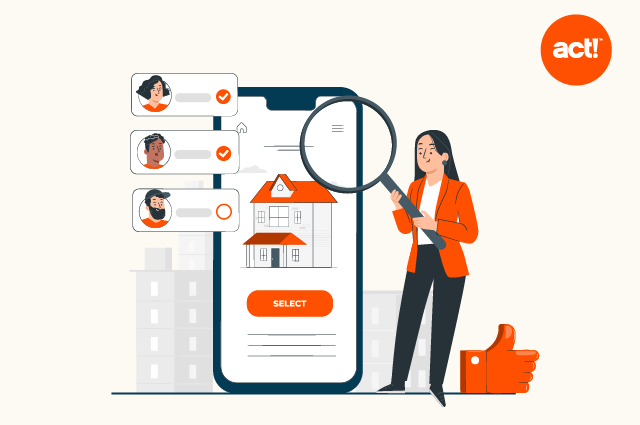
Segment Smarter, Engage Better: Map Every Client’s Journey with Precision
Not all clients are the same—and treating them as if they are is one of the fastest ways to waste time, lose loyalty, and miss out on growth.
A new client needs education. A loyal client deserves recognition. A high-value client wants proactive attention. Yet most businesses send the same messages to everyone and hope for the best.
That’s where client segmentation and journey mapping change the game. Done right, it’s not about more data. It’s about clearer decisions—and relationships that feel personal, even as you grow.
Here’s why segmentation matters, and three steps to make it work.
Why Segmentation Matters More Than Ever
Every business, from solo consultants to enterprise teams, benefits from understanding who they’re talking to and where that person is in their journey:
- Personalised Communication Builds Trust – People respond to messages that feel relevant, not generic.
- Smarter Use of Resources – Spend more time on high-value clients, less on low-impact outreach.
- Better Retention and Referrals – Engaged clients stay longer and recommend you more often.
And yet, most CRMs make segmentation a chore—too many fields, too much manual updating. Act! Advantage makes it easy, which is why it works for real businesses.
Step 1: Group Clients by What Matters Most
Don’t overcomplicate it. Start simple by creating 3–5 meaningful segments. For most businesses, these are:
- New Clients – Need onboarding, education, and reassurance.
- Active / Loyal Clients – Need regular check-ins and appreciation.
- At-Risk Clients – Haven’t booked or engaged recently; need re-engagement.
- High-Value Clients – Spend the most or refer often; need priority attention.
What Act! Advantage Does Differently:
You can tag and group clients in seconds. The system updates automatically as clients move between stages, so you always know who’s where—without manually sorting spreadsheets.
Step 2: Map the Key Touchpoints in Their Journey
Each group has different needs at different times. Map out simple, repeatable steps:
- New Clients: Welcome emails, onboarding resources, quick follow-ups.
- Active Clients: Regular check-ins, progress updates, upsell offers.
- At-Risk Clients: Friendly “we miss you” reminders or personal outreach.
- High-Value Clients: Thank-you messages, loyalty perks, early access offers.
What Act! Advantage Does Differently:
It automates these touchpoints while keeping them personal. Write the message once; Act! Advantage triggers it at the right time, for the right group.
Step 3: Review and Adjust Based on Real Behaviour
Segmentation isn’t set-and-forget. Check how people respond:
- Are at-risk clients rebooking after your messages?
- Are loyal clients referring more after thank-you emails?
- Are high-value clients staying engaged?
Adjust your segments and touchpoints as you learn what works.
What Act! Advantage Does Differently:
Its dashboards show you which segments are growing, which are dropping off, and how clients move between groups. That insight turns guesswork into action.
The Bottom Line
Segmentation isn’t about fancy charts—it’s about treating people like people. By grouping clients based on their journey and responding accordingly, you’ll build trust, keep clients longer, and spend less time chasing new leads.
Act! Advantage makes segmentation simple, automatic, and practical—so you can focus on the conversations that matter.